Alkyd vs. Acrylic Paint For Road Marking:
Which One Wins?
Road marking paint is the unsung hero of traffic safety and highway infrastructure. Choosing the right formulation isn’t just about putting lines on asphalt; it directly impacts your project’s longevity, total cost of ownership, and road closure times. Among the most popular options in the industry today are alkyd-based and acrylic-based line marking paints.
While both are single-component (1K) solutions, they dry, age, and perform in vastly different ways. This comprehensive technical guide breaks down their core differences to help you make the right choice for your next paving or striping project.
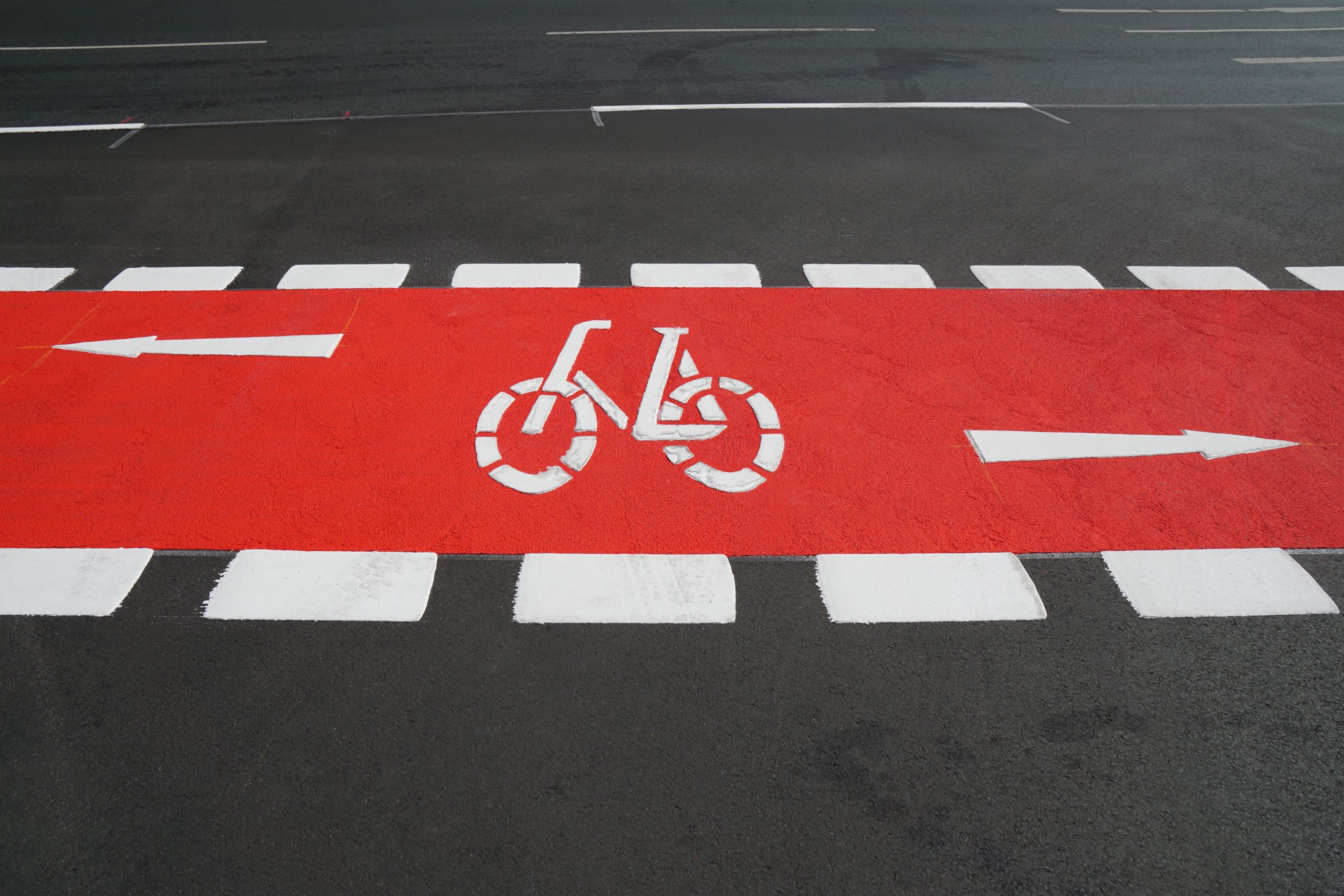
Alkyd vs. Acrylic: Quick Comparison
| Key Features | Alkyd Road Paint | Acrylic Road Paint |
| Resin Base | Modified polyester/oil-based alkyd resin | Thermoplastic acrylic or water-borne acrylic emulsion |
| Curing Mechanism | Solvent evaporation followed by air oxidation | Purely physical solvent or water evaporation |
| Drying Time | Moderate to slow (30 mins to 3 hours for a full cure) | Ultra-fast drying (ready for traffic in 15 to 30 minutes) |
| UV & Weather Resistance | Moderate; prone to yellowing, fading, and chalking | Outstanding; maintains high visibility under heavy sunlight |
| Flexibility & Lifespan | Embrittles over time due to continuous oxidation | Retains high flexibility; resists cracking and peeling |
| Surface Adhesion | Exceptional penetration on old, porous, or dusty asphalt | Strong on clean surfaces; requires thorough surface prep |
Technical Deep Dive: Performance and Chemistry
- Alkyd-Based Road Marking Paints
Alkyd paints are known for their traditional and reliable composition. Because of their low viscosity (fluidity), they penetrate perfectly deep into porous, old, or slightly dusty asphalt surfaces.
- The Downside: The chemical reaction in alkyd paint doesn’t stop once the surface feels dry. It relies on continuous oxygen absorption (oxidation) to harden. Over months of exposure to sunlight and oxygen, this ongoing reaction causes the paint film to become brittle. As a result, alkyd markings are more susceptible to micro-cracking, loss of gloss, and premature fading.
Acrylic-Based Road Marking Paints
Modern acrylic traffic paints—available as solvent-based thermoplastic acrylics or eco-friendly waterborne emulsions—cure exclusively through physical evaporation.
- The Advantage: As the carrier solvent or water evaporates, the acrylic polymers fuse together to form a highly flexible, durable plastic film. Because it doesn’t undergo continuous oxidation, acrylic paint boasts superior UV stability. It locks in high-visibility colors (like traffic white and safety yellow) for much longer. Furthermore, its rapid-dry formula dramatically reduces traffic downtime, saving on labor and road management costs.
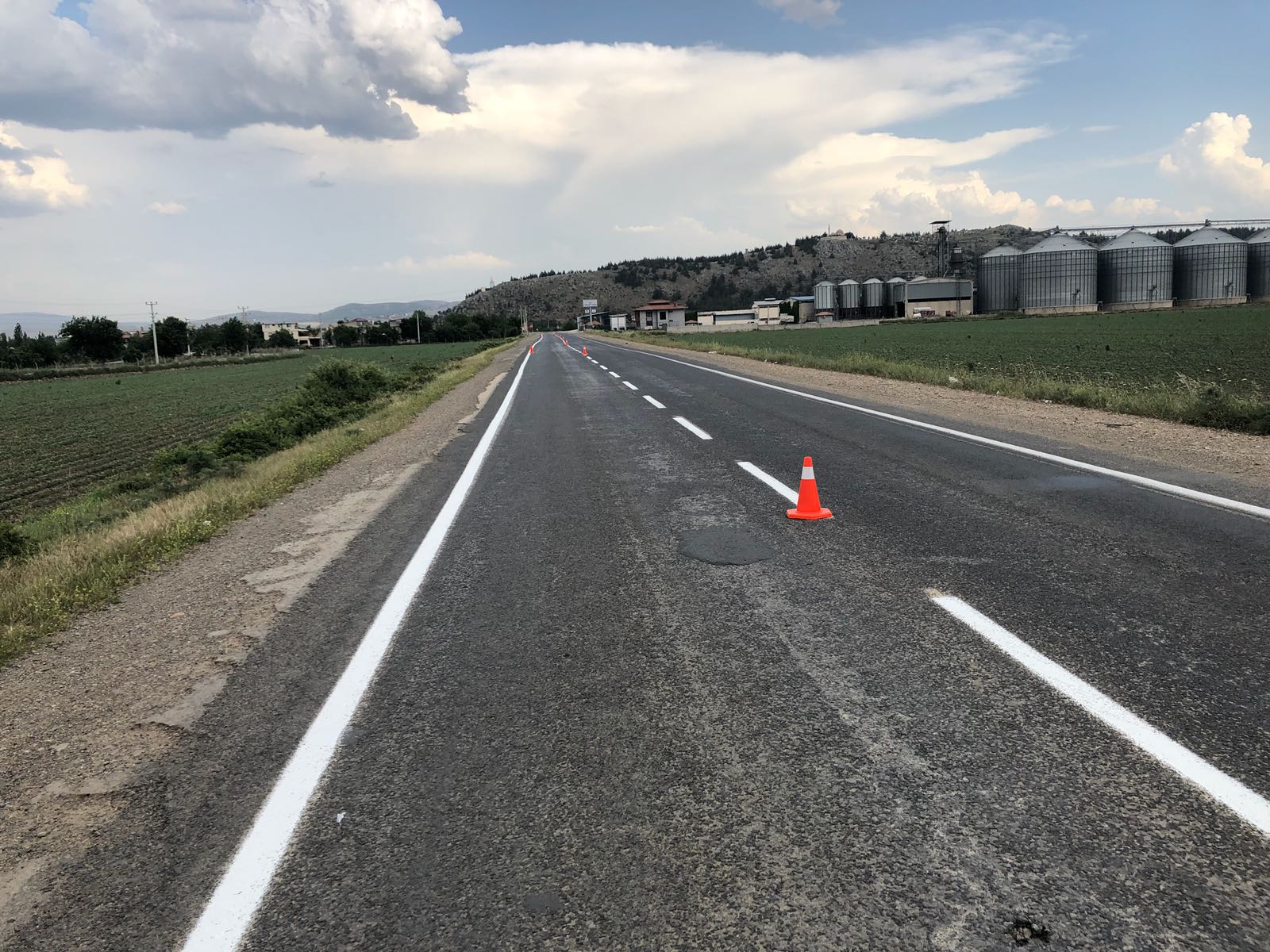
Decision Matrix: Which Paint Fits Your Project?
- Choose Alkyd Paint If: You are working on older, highly porous asphalt, or secondary roads where maximum surface penetration and low initial material costs are the primary drivers. You can choose Alkyd paint accordingly.
- Choose Acrylic Paint If: You are marking high-traffic highways, municipal streets, or parking lots exposed to intense sunlight. Additionally, its fast drying time, resistance to cracking, and color fastness significantly reduce the cost per kilometer over the lifespan of the markings. Considering all these factors, acrylic paint is a preferable option.
Expert Takeaway: Surface condition, climate, and traffic volume should always dictate your choice. Investing in the right chemical formulation upfront prevents premature re-striping and optimizes long-term road safety.