
Road Repair & Reinstatement
The Importance of Crack Filling in Pavement Maintenance
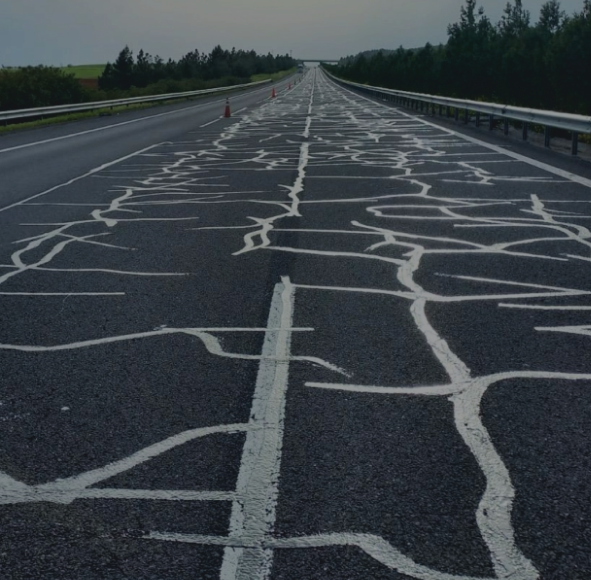
Crack filling is a vital maintenance process used to slow down the progression of road surface deterioration by sealing cracks before they expand or allow water and debris to penetrate the pavement. Applied before the damage becomes severe or adverse weather conditions set in, this process significantly extends the life of asphalt and concrete surfaces.
Depending on seasonal conditions and air temperature, the tools, materials, and techniques used in crack filling operations can vary, requiring tailored approaches based on the severity and size of the cracks.
Methods &
Applications of Crack Filling
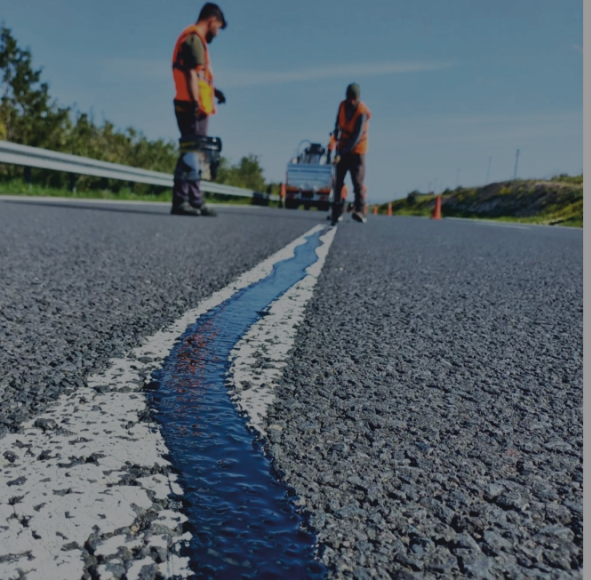
To prevent cracks from widening or forming potholes over time, hot crack filling materials are injected into cleaned and prepared cracks—typically cut to a standard dimension such as 20 x 30 mm. This helps protect the pavement from water infiltration and environmental wear.
The appropriate crack filler is selected based on the pavement type and crack condition. For asphalt surfaces, rubberized or hot pour sealants are commonly used, while concrete pavements often require flexible epoxy or polyurethane-based materials that can accommodate thermal expansion.
Application Areas &
Advantages
Crack filling is widely used in a range of environments, including roads, parking lots, airports, industrial floors, residential driveways, and bridge decks. In parking areas and driveways, regular crack filling maintains surface integrity and visual appeal. Airports and bridge decks require specialized, high-performance sealants due to the stress of heavy loads and extreme temperatures.
Industrial floors benefit from flexible sealants that ensure safety and cleanliness in high-traffic zones. Overall, the benefits of crack filling include preventing water damage, avoiding costly repairs, enhancing surface safety, and improving visual aesthetics—making it one of the most efficient and cost-effective maintenance strategies in pavement care.