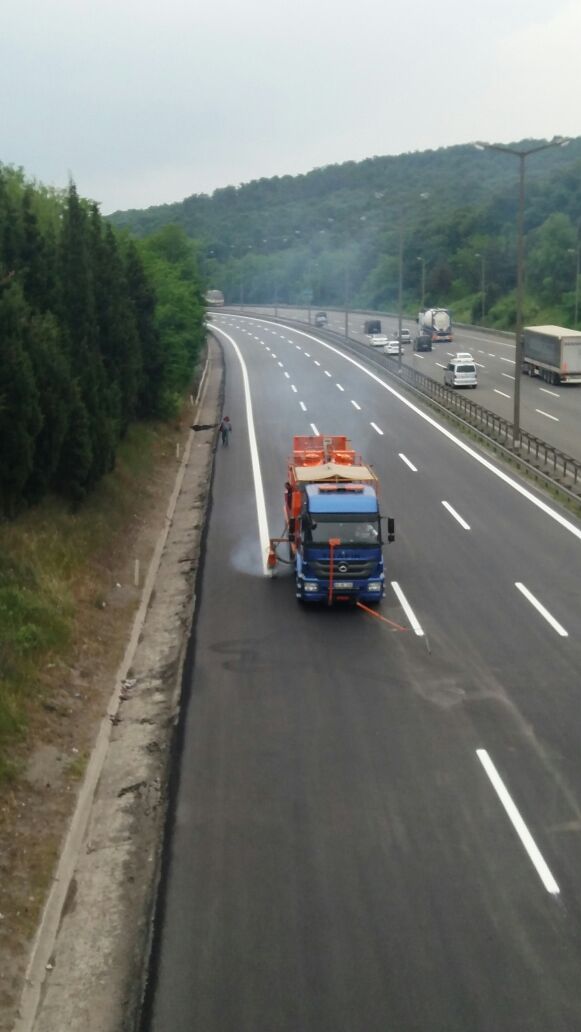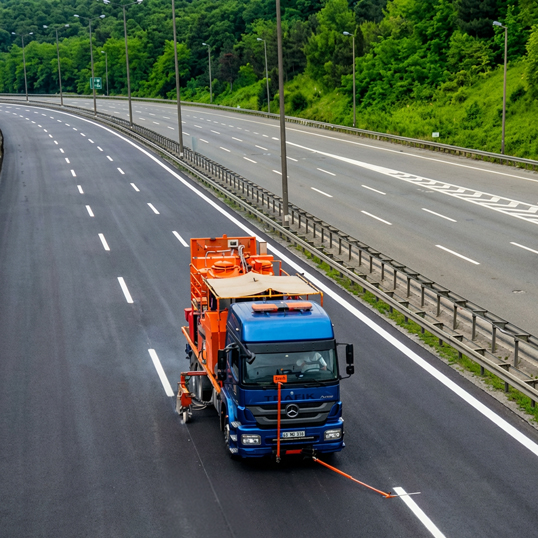

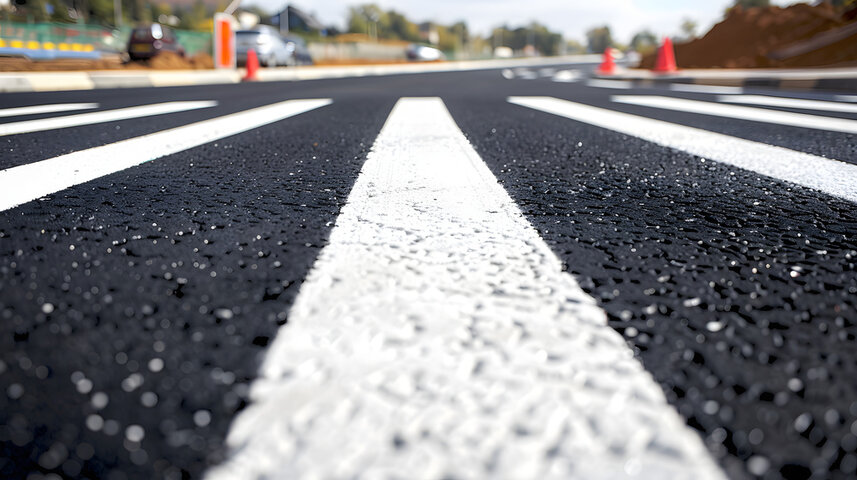
Yellow vs White Road Markings:
Understanding Their Purpose in Road Safety
Road markings are among the most important visual guidance systems on modern roads. They communicate essential information to drivers within seconds, helping regulate traffic, prevent accidents, and improve overall road safety.
One of the most common questions in road infrastructure is:
Why are some road markings white while others are yellow?
Although the answer may seem simple, the choice of color follows international traffic engineering principles, national regulations, and safety considerations. Understanding these differences is valuable for road authorities, contractors, consultants, and anyone involved in road marking and road safety projects.
Why Road Marking Colors Matter
The primary function of pavement markings is to deliver clear visual guidance under all driving conditions.
Effective road markings should provide:
- Excellent daytime visibility
- High nighttime retroreflectivity
- Long service life
- Strong contrast with pavement
- Clear communication of traffic rules
Color plays a significant role because drivers instantly associate different colors with different traffic instructions.
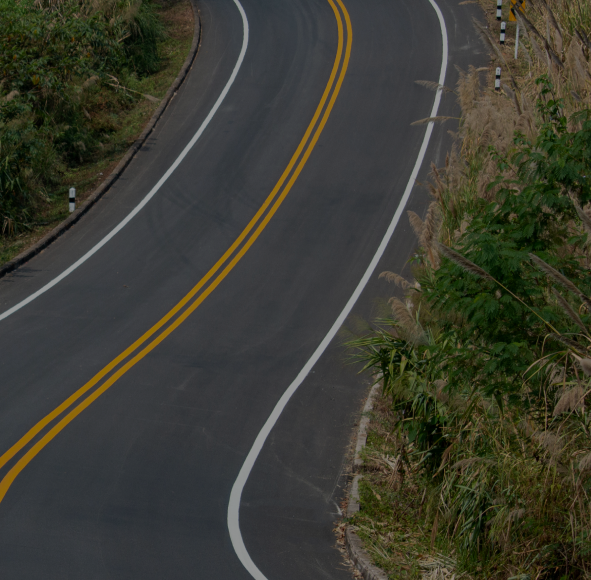
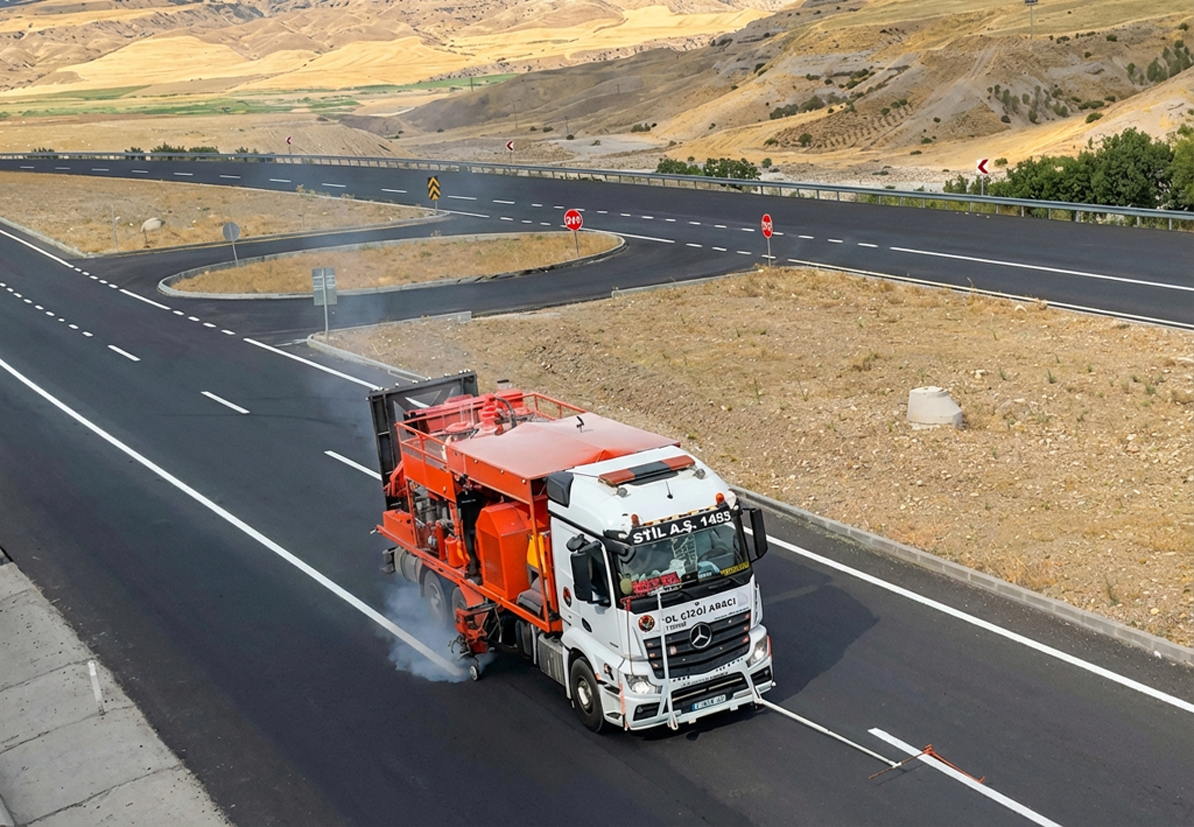
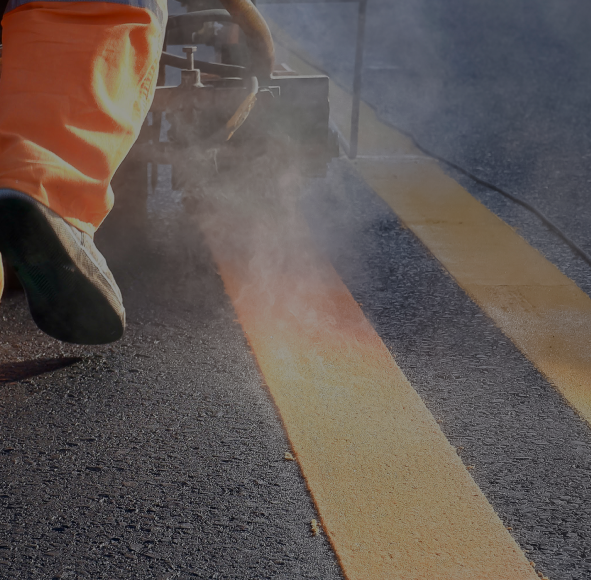
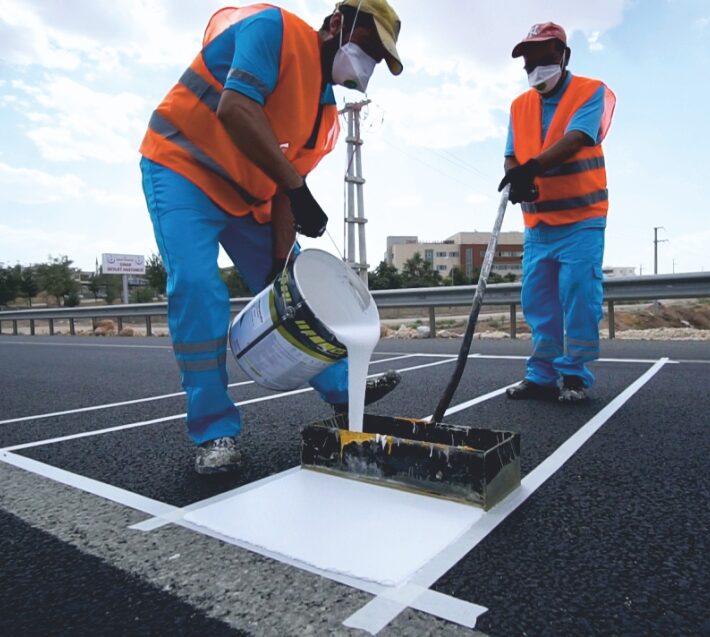
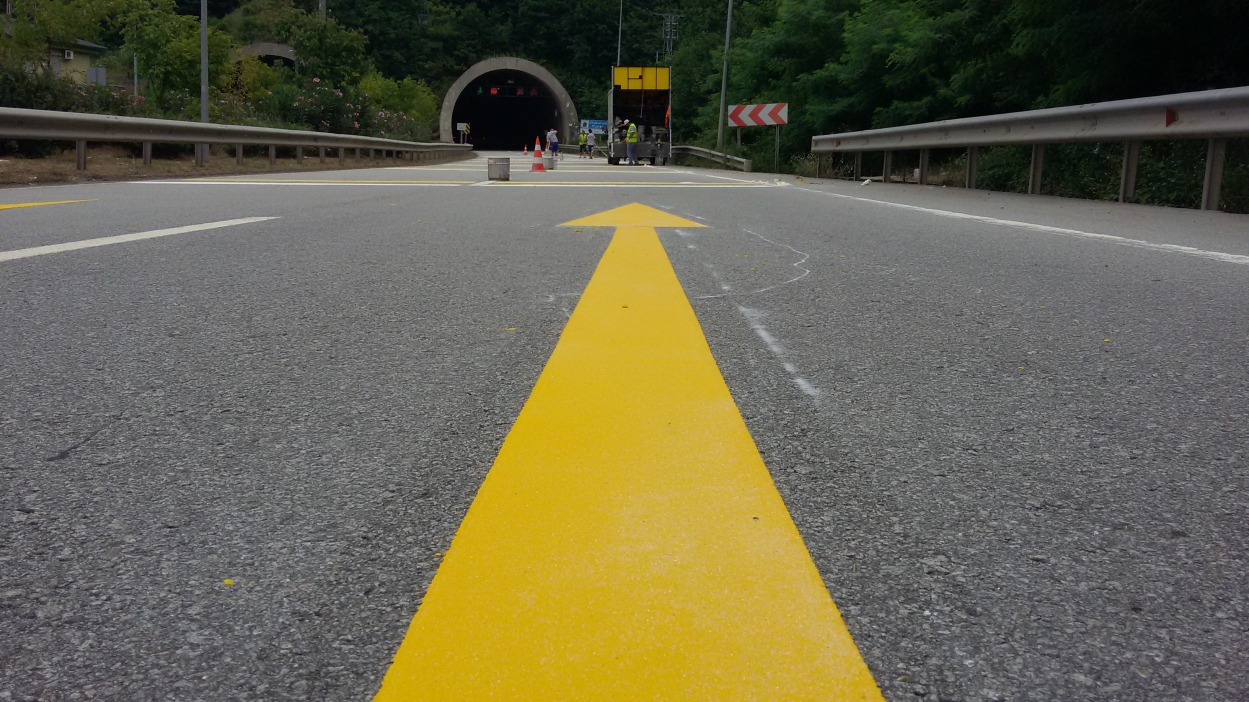
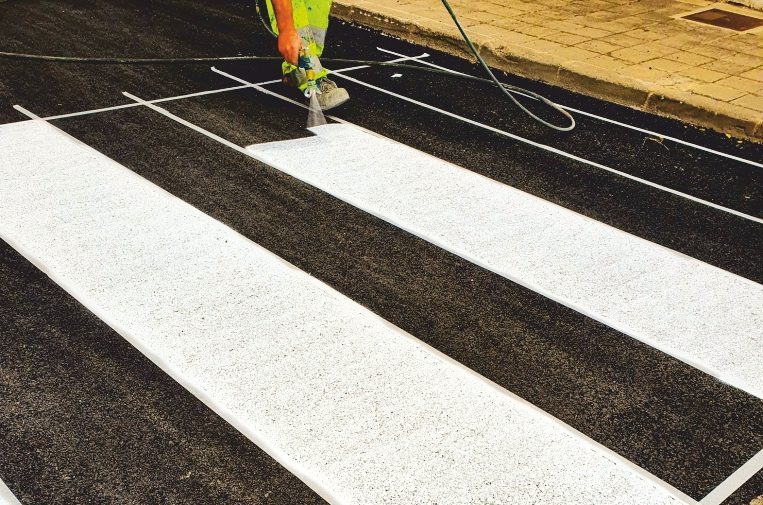

White Road Markings: The Universal Standard
White is the most commonly used pavement marking color worldwide.
In most countries, white markings separate traffic moving in the same direction or indicate driver guidance within a traffic lane.
Typical applications include:
- Lane divider lines
- Edge lines
- Stop lines
- Crosswalks
- Directional arrows
- Symbols
- Parking bays
- Bicycle lanes (depending on local regulations)
White markings provide excellent contrast on asphalt surfaces and achieve high retroreflectivity when combined with premium reflective glass beads.
For this reason, white remains the preferred choice for permanent road marking systems.
Yellow Road Markings: Warning and Traffic Separation
Yellow markings are generally used where additional attention is required.
Although regulations differ between countries, yellow commonly indicates:
- Separation of opposing traffic directions
- No-passing zones
- Temporary traffic management
- Construction work zones
- Restricted parking areas
- Hazard warnings
Because yellow naturally attracts driver attention more effectively than white, it is widely used where caution is required.
In temporary work zones, yellow markings often replace existing white markings to clearly distinguish temporary traffic arrangements.
White vs Yellow Road Markings: Quick Comparison
| Feature | White Markings | Yellow Markings |
|---|---|---|
| Primary Purpose | Lane guidance | Warning & separation |
| Traffic Direction | Same direction | Opposing directions (many countries) |
| Visibility | Excellent | Excellent |
| Typical Use | Permanent markings | Temporary or warning applications |
| Driver Perception | Normal guidance | Increased caution |
International Standards May Differ
One important consideration is that road marking regulations vary across different regions.
For example:
- Many European countries primarily use white markings for permanent roads while applying yellow for temporary traffic management.
- In the United States and Canada, yellow commonly separates opposing traffic flows.
- Some Middle Eastern and Asian countries adopt combinations based on local highway standards.
Because of these regional differences, selecting the correct marking system requires compliance with local transportation regulations and applicable standards.
Performance Is More Than Just Color
While color is important, the long-term effectiveness of road markings depends on several technical factors.
High-quality pavement markings should provide:
High Retroreflectivity :
Road markings should remain visible during nighttime through the use of premium reflective glass beads.
Durability
Heavy traffic, UV exposure, snow removal equipment, and weather conditions continuously wear road markings. Premium binders and resins significantly increase service life.
Fast Drying
Rapid drying minimizes road closures and allows quicker reopening to traffic.
Strong Adhesion
Proper adhesion prevents premature peeling and ensures longer maintenance intervals.
Environmental Resistance
Modern road marking materials must withstand fuel spills, chemicals, water, temperature fluctuations, and abrasion.
Choosing the Right Road Marking Material
Color selection is only one part of a successful road marking project.
The marking material should be selected according to:
- Traffic volume
- Climate conditions
- Pavement type
- Expected service life
- Required retroreflectivity
- National specifications
Common road marking solutions include:
- Solvent-based road marking paint
- Water-based road marking paint
- Thermoplastic road markings
- Cold plastic (MMA) systems
- High-performance resin-based solutions
Each technology offers specific advantages depending on project requirements.
How Premium Materials Improve Road Safety
High-quality road marking systems maintain their visibility much longer than low-quality alternatives.
When premium binders, durable pigments, and high-performance reflective glass beads work together, road markings deliver:
- Better nighttime visibility
- Reduced maintenance frequency
- Lower lifecycle costs
- Improved driver guidance
- Increased road safety
For road authorities, contractors, and infrastructure owners, investing in quality materials often results in better long-term performance and lower total ownership costs.
Stil GROUP’s Approach to Road Marking Solutions
At Stil GROUP, road marking is approached as an integrated system rather than a single product.
By combining expertise in:
- Road marking paints
- High-performance resins
- Reflective glass beads
- Professional road marking applications
Stil GROUP delivers comprehensive solutions designed to improve durability, visibility, and overall road safety for infrastructure projects worldwide.
Whether the project requires white lane markings, yellow warning markings, or specialized pavement marking systems, selecting the right materials and application methods is essential for achieving long-lasting performance.
Conclusion
The difference between yellow and white road markings goes far beyond appearance.
Each color serves a specific purpose within international traffic management systems, helping drivers interpret road conditions quickly and safely.
However, regardless of color, the true performance of a road marking depends on material quality, proper application, and long-term visibility.
As transportation networks continue to expand worldwide, investing in high-performance road marking solutions remains one of the most effective ways to improve road safety and infrastructure sustainability.
Frequently Asked Questions (FAQ)
Why are some road markings yellow instead of white?
Yellow road markings generally indicate warnings, temporary traffic arrangements, restricted areas, or separation of opposing traffic, depending on national regulations.
Which color is more visible, yellow or white?
Both provide excellent visibility when manufactured with high-quality pigments and reflective glass beads. Their usage depends on traffic regulations rather than visibility alone.
Are yellow road markings temporary?
Not always. In many countries, yellow is used permanently to separate opposing traffic, while in others it primarily identifies temporary work zones.
What materials are used for yellow and white road markings?
Common materials include solvent-based paints, water-based paints, thermoplastic compounds, cold plastic (MMA) systems, and other high-performance road marking materials.
Do reflective glass beads work with both colors?
Yes. Premium reflective glass beads enhance nighttime visibility and retroreflectivity for both yellow and white road markings.