
Cold Plastic Road Marking vs Thermoplastic: Which is Better?
Cold plastic road marking systems have revolutionized high-traffic infrastructure management worldwide. When selecting pavement marking materials for highways, airports, or logistics hubs, engineers often compare cold plastic solutions against traditional hot-applied thermoplastics.
At Stil GROUP, we engineer and manufacture specialized StilACRYL® resins to produce heavy-duty cold plastic road marking products. Through our integrated Stil TRAFİK® application services, we provide global infrastructure projects with long-lasting and cost-effective marking solutions.
What is Cold Plastic Road Marking?
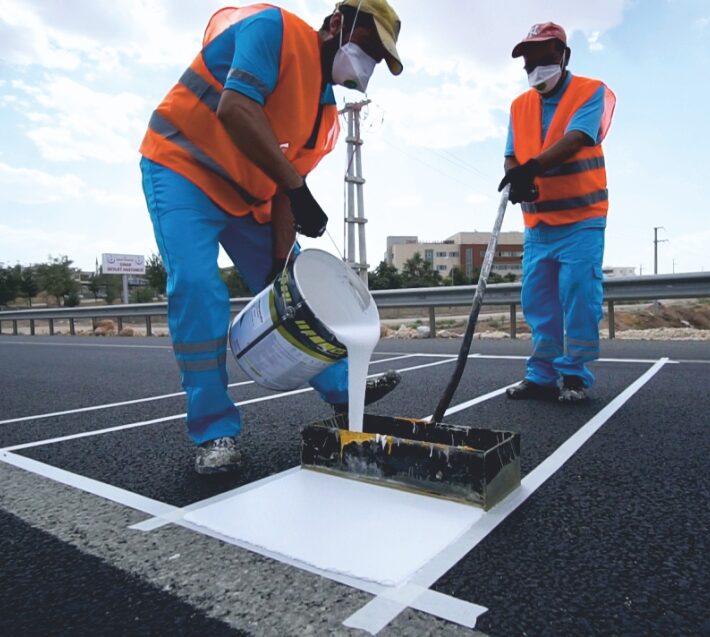
Unlike hot thermoplastic materials that require high-temperature melting on-site, cold plastic road marking relies on a solvent-free chemical reaction. Formulated with methyl methacrylate (MMA) resins, this system cures rapidly at ambient temperatures without melting equipment.
Therefore, our StilACRYL® resin-based cold plastics create a permanent, molecular bond directly with asphalt or concrete surfaces. Consequently, the resulting marking resists extreme weather conditions and heavy tire friction for years.
Cold Plastic vs Thermoplastic: Key Differences
To help project managers make an informed decision, we compare these two popular marking technologies across critical operational parameters:
1. Durability and Mechanical Strength
Hot thermoplastic markings tend to become brittle during harsh winter freezes and soften under intense summer heat. In contrast, cold paint road marking systems retain their structural elasticity. Because StilACRYL® MMA resins withstand extreme thermal expansion, they prevent chipping, cracking, and premature surface detachment.
2. Application Speed and Energy Efficiency
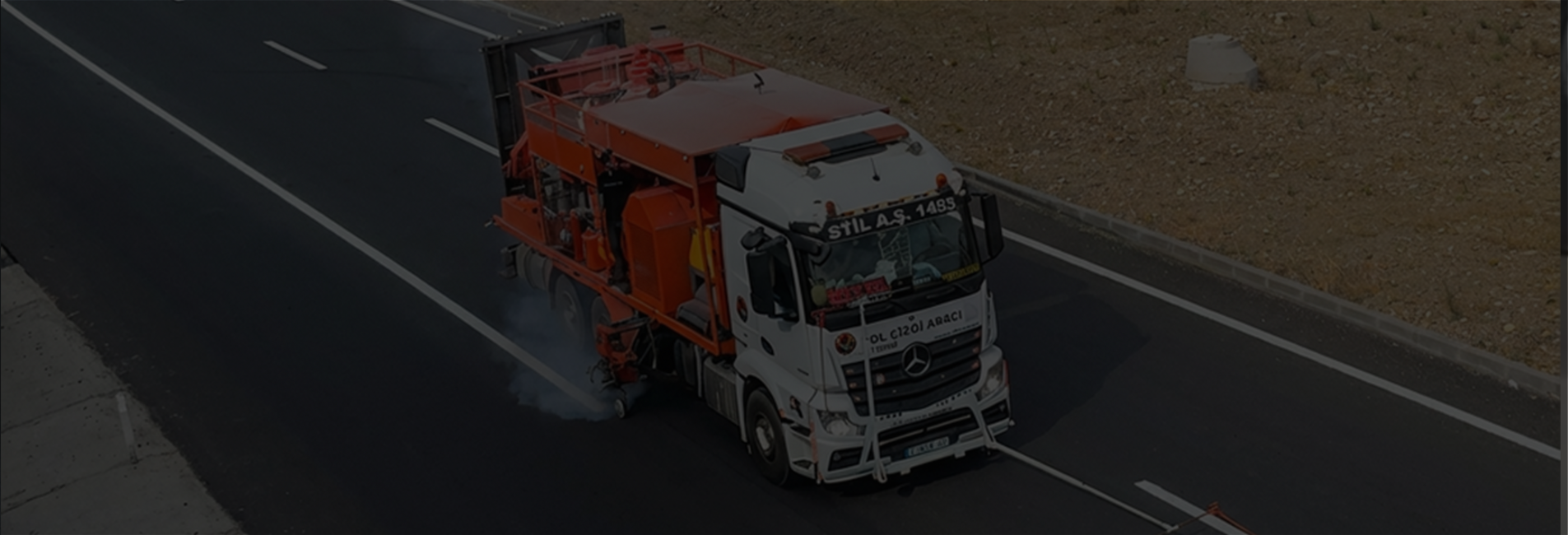
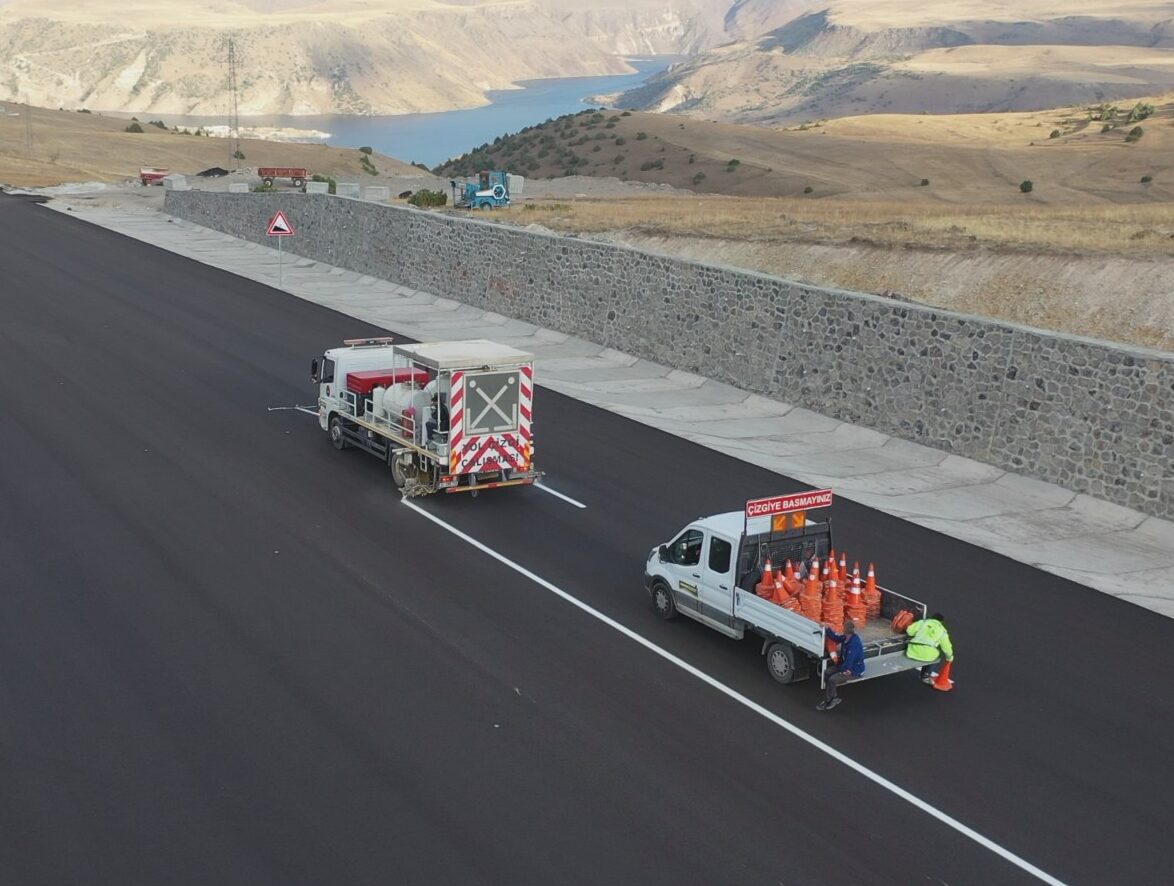
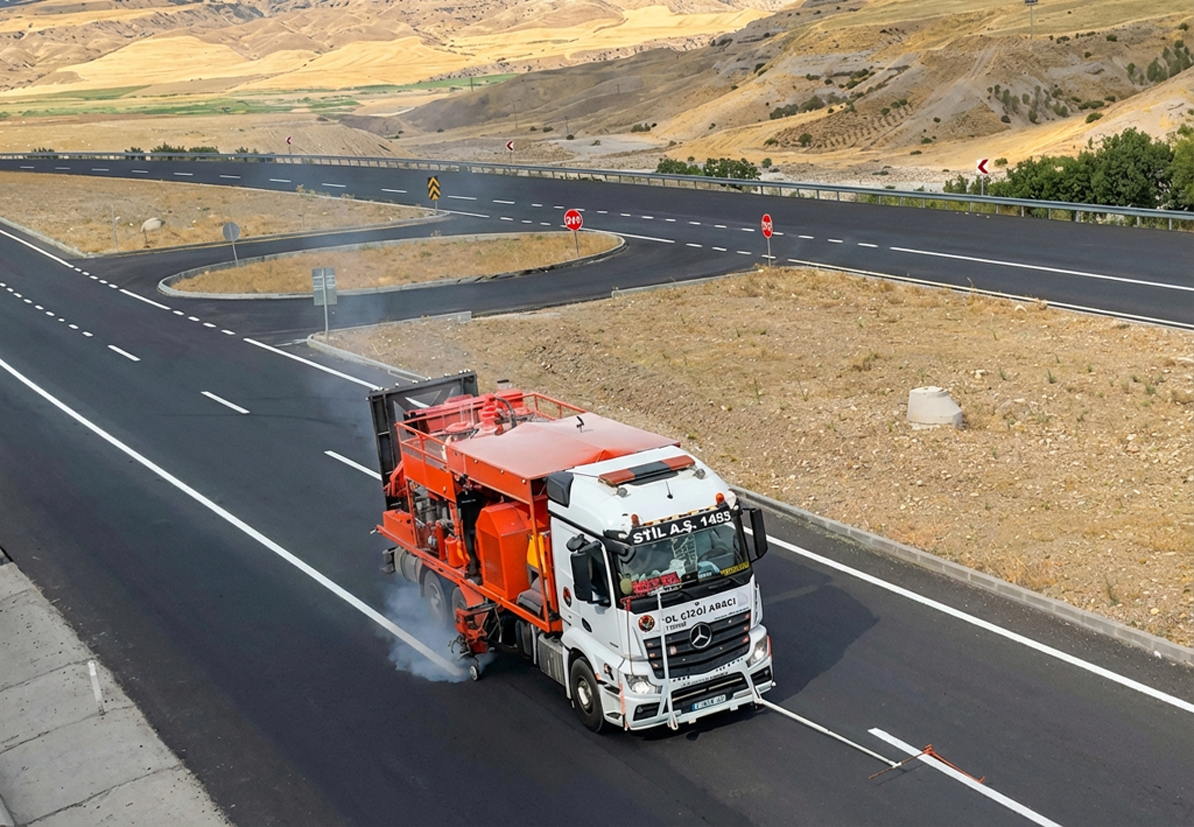
Hot-applied paints require continuous fuel consumption to maintain high temperatures on application trucks. On the other hand, our LineStil® cold plastic systems are applied at ambient temperature. Furthermore, our specialized Stil TRAFİK® application crews utilize cold-spray or structured extrusion machinery, which significantly reduces site energy costs and carbon emissions.
3. Glass Bead Retention and Night Visibility
Retaining retroreflective glass beads is vital for nighttime driving safety. Traditional paints often lose their beads quickly due to surface wear. However, our high-adhesion StilACRYL® resins lock reflective glass beads deep into the chemical matrix, ensuring high retroreflectivity throughout the marking’s lifecycle.
High-Performance Applications for Cold Plastics
Thanks to its abrasion resistance, this road marking material is the preferred choice for high-stress zones.
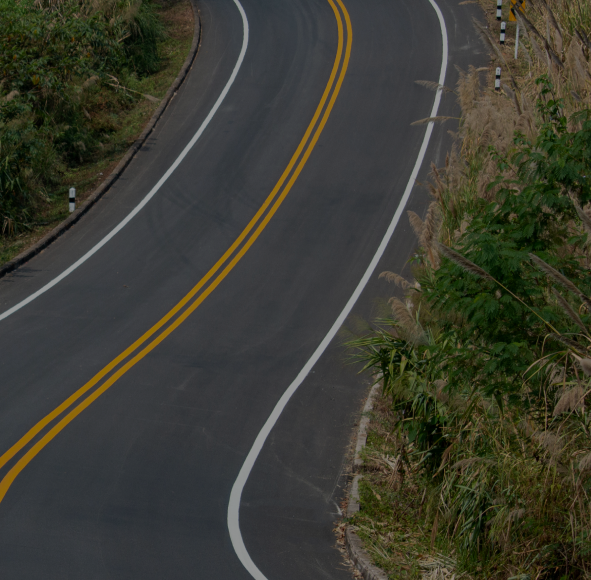
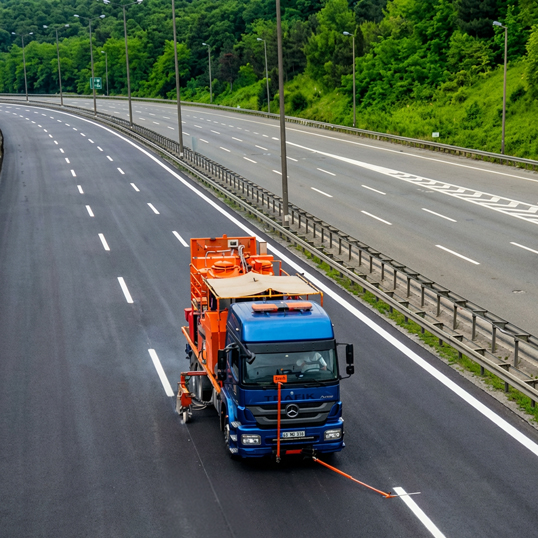
Highways and Interchanges: Ideal for continuous lane delineation and rumble strips that face heavy truck traffic.
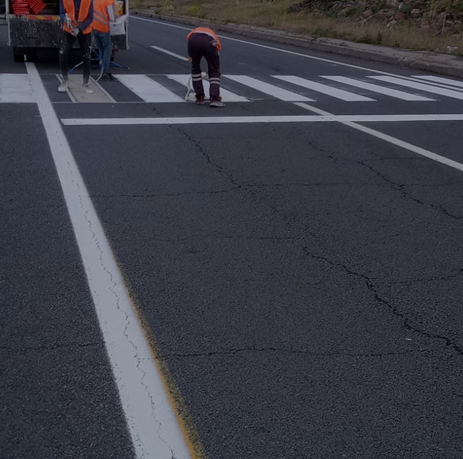
Pedestrian Crossings and Stop Lines: Excellent for urban intersections where braking forces are highest.
Airports and Logistics Hubs: Our Stil TRAFİK® teams apply heavy-duty LineStil® cold plastics on runway aprons and heavy forklift lanes within logistics complexes.
Partner with a Leading Cold Plastic Manufacturer
Selecting the right pavement marking material directly impacts your project’s long-term maintenance budget. While initial thermoplastic costs may seem lower, the extended lifespan of cold plastic systems yields a significantly lower total cost of ownership (TCO).
Trust Stil GROUP’s manufacturing expertise for your next infrastructure development. Contact our technical team today to request samples of our StilACRYL® resins or get a customized project quote for LineStil® cold plastic applications.